
 by
by The Tau Protein Targeting Therapeutics Market is emerging as one of the most critical and rapidly evolving segments within the global neurodegenerative disease treatment landscape. This market focuses on developing therapies that directly target abnormal tau protein accumulation in the brain, which is a key pathological hallmark of diseases such as Alzheimer’s disease, progressive supranuclear palsy (PSP), corticobasal degeneration, and other tauopathies.
Tau proteins normally stabilize neuronal microtubules; however, when they become abnormally phosphorylated or misfolded, they form neurofibrillary tangles that disrupt neuronal communication and lead to progressive brain degeneration. As a result, targeting tau pathology has become a major focus in drug discovery efforts worldwide.
Read Also: Cleaning Services Market
Market Overview
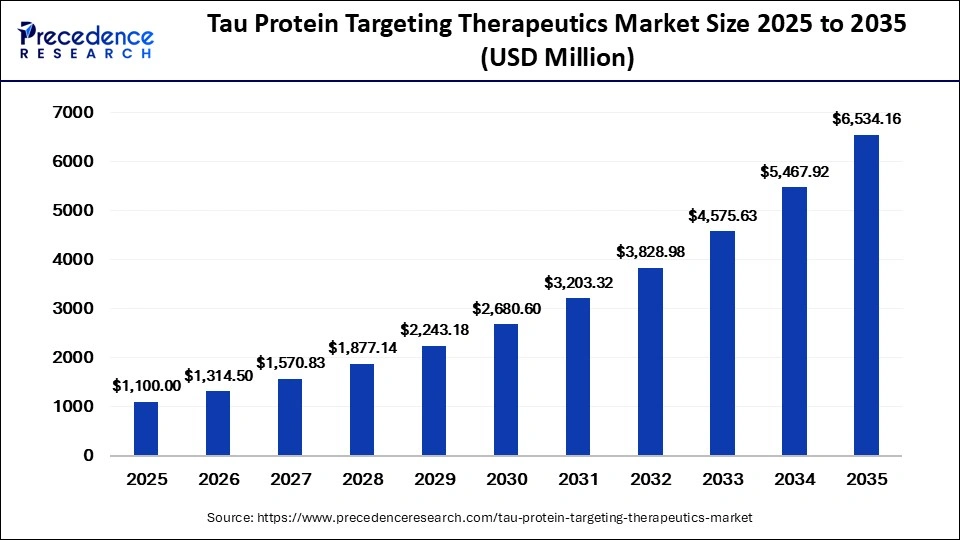
The global Tau Protein Targeting Therapeutics Market is gaining momentum due to increasing prevalence of neurodegenerative disorders and advancements in precision medicine.
- The market is estimated to be in a strong growth phase with accelerating R&D investments
- North America dominates due to advanced biotech infrastructure and clinical trial activity
- Asia-Pacific is emerging as a fast-growing region due to increasing aging population
The rising burden of Alzheimer’s disease alone, which accounts for the majority of tau-related pathology cases, is significantly boosting demand for disease-modifying therapies.
Key Market Drivers
1. Rising Prevalence of Alzheimer’s and Neurodegenerative Disorders
One of the strongest drivers is the global increase in Alzheimer’s disease and related tauopathies. These disorders are characterized by:
- Cognitive decline
- Memory loss
- Motor dysfunction
- Progressive neuronal damage
As populations age, especially in developed countries, the patient pool requiring tau-targeting therapies is expanding rapidly.
2. Shift Toward Disease-Modifying Therapies (DMTs)
The market is transitioning from symptomatic treatments to disease-modifying therapies that directly target disease progression mechanisms such as tau aggregation.
This includes:
- Anti-tau monoclonal antibodies
- Small molecule tau inhibitors
- Gene-silencing therapies
- Protein degradation technologies
This shift is a major structural growth driver.
3. Advances in Targeted Protein Degradation Technologies
A breakthrough innovation in this field is targeted protein degradation, where abnormal tau proteins are actively destroyed rather than merely inhibited.
Key approaches include:
- PROTAC-based tau degradation
- Molecular glues
- Autophagy-enhancing agents
Recent research highlights that tau-targeting PROTACs can selectively reduce pathological tau by recruiting cellular degradation systems, opening new therapeutic possibilities for previously “undruggable” targets.
4. Growth in Biologics and Antibody Therapies
Monoclonal antibodies are becoming a leading therapeutic approach for tauopathies. These therapies:
- Target extracellular tau aggregates
- Promote immune-mediated clearance
- Improve biomarker outcomes such as tau-PET imaging
Several antibodies are currently in Phase II and Phase III clinical trials.
5. Expansion of Biomarker-Based Diagnostics
Advances in diagnostic tools such as:
- Tau PET imaging
- Cerebrospinal fluid (CSF) biomarkers
- AI-driven neurodegenerative modeling
are enabling earlier detection and better patient stratification, improving clinical trial success rates.
Market Restraints
1. High Clinical Trial Failure Rates
Despite significant investment, many tau-targeting therapies fail in late-stage clinical trials due to:
- Complex disease mechanisms
- Limited blood-brain barrier penetration
- Insufficient clinical efficacy
2. Blood-Brain Barrier (BBB) Challenges
One of the biggest scientific hurdles is delivering therapeutics effectively across the BBB, which limits drug availability in the brain.
3. High Development Costs
Neurodegenerative drug development requires:
- Long trial durations
- Expensive imaging and biomarker studies
- Complex regulatory pathways
This increases overall R&D costs significantly.
4. Biological Complexity of Tau Pathology
Tau exists in multiple forms and conformations, making it difficult to target uniformly across patients and disease stages.
Market Opportunities
1. Growth of Gene Therapy and RNA-Based Treatments
New technologies such as:
- Antisense oligonucleotides (ASOs)
- siRNA-based therapies
- Gene silencing platforms
are showing strong potential in reducing tau production at the genetic level.
2. Targeted Protein Degradation (TPD)
Emerging TPD approaches are expected to revolutionize the market by enabling:
- Selective tau clearance
- Reduction of toxic protein accumulation
- Long-term disease modification
3. Expansion of Clinical Pipeline
A growing number of biotech companies are entering the tau-targeting space, increasing:
- Drug diversity
- Clinical trial activity
- Strategic partnerships with pharma companies
4. Personalized Neurology
Future therapies are expected to be tailored based on:
- Genetic markers
- Tau protein variants
- Disease stage and progression patterns
Pipeline Landscape
The clinical pipeline for tau-targeting therapeutics includes multiple modalities:
Small Molecules
- Kinase inhibitors
- Tau aggregation blockers
- Microtubule stabilizers
Monoclonal Antibodies
- Anti-tau antibodies targeting extracellular aggregates
- Immune-mediated clearance agents
Gene Therapies
- ASOs targeting MAPT gene
- siRNA-based tau suppression
Protein Degradation Agents
- PROTAC-based tau degraders
- Molecular glue compounds
Research indicates that small molecules remain the largest pipeline category due to favorable brain penetration and oral availability.
Market Segmentation
By Type
- Small Molecules (dominant segment)
- Biologics (monoclonal antibodies)
- Gene Therapies
- Protein Degradation Therapies
By Application
- Alzheimer’s Disease (largest segment)
- Progressive Supranuclear Palsy (PSP)
- Corticobasal Degeneration
- Frontotemporal Dementia
By End User
- Pharmaceutical Companies
- Biotechnology Firms
- Academic Research Institutes
- Contract Research Organizations (CROs)
By Region
North America
- Largest market share
- Strong biotech ecosystem
- High clinical trial activity
Europe
- Strong regulatory framework
- Focus on neurodegenerative research
Asia-Pacific
- Fastest-growing region
- Increasing elderly population
- Expanding healthcare infrastructure
Competitive Landscape
Key players in the tau-targeting therapeutics market include:
- Biogen Inc.
- Eli Lilly and Company
- Roche Holding AG
- AbbVie Inc.
- Novartis AG
- TauRx Pharmaceuticals
- AC Immune SA
- Johnson & Johnson
- Merck & Co.
- Bristol Myers Squibb
These companies are actively investing in:
- Tau antibody development
- Gene therapy platforms
- Combination therapies
- Biomarker-driven clinical trials
Recent Developments
- Expansion of tau-targeting antibody clinical trials
- Increased focus on combination therapies for Alzheimer’s disease
- Growth in PROTAC-based neurodegeneration research
- Advancements in tau PET imaging for early diagnosis
Future Outlook (2026–2035)
The Tau Protein Targeting Therapeutics Market is expected to evolve significantly over the next decade. Key future trends include:
- Approval of first disease-modifying tau therapies
- Expansion of multi-target neurodegenerative treatments
- Integration of AI in drug discovery
- Growth of precision neurology approaches
- Combination therapies targeting both amyloid and tau proteins
By 2035, tau-targeting therapies are expected to become a core pillar in Alzheimer’s disease treatment strategies.
Conclusion
The Tau Protein Targeting Therapeutics Market is positioned for strong long-term growth, driven by rising neurodegenerative disease prevalence and rapid advancements in biotechnology. Although challenges such as clinical trial failures and BBB limitations persist, innovations in gene therapy, antibody development, and protein degradation technologies are reshaping the future of this market.
With increasing investment and scientific breakthroughs, tau-targeted therapies are expected to play a transformative role in treating Alzheimer’s and other tau-related disorders over the next decade.
Get a Sample Copy: https://www.precedenceresearch.com/sample/8423
For inquiries regarding discounts, bulk purchases, or customization requests, please contact us at [email protected]
